

Imagine if the world was populated by around four trillion beautiful creatures, often several times the size of an adult elephant, living in some cases more than a thousand years, capable of communicating with one another, shaping the world around them for better, possessed of a distinctive, ancient, wordless wisdom.
Well it is. It would be a brave or slightly eccentric man who asserted confidently that trees are conscious or possessed of souls. But I see nothing less remarkable and worthy of respect in an oak tree than in a deer.
If you wander about Richmond Park, you may very well at first pinch yourself when you see a herd of deer grazing in the shade of the oaks or sitting down in a snowstorm. Can these wild animals really roam this close to central London? But keep walking for long enough and you may, like me, come to think just the same of the oaks.
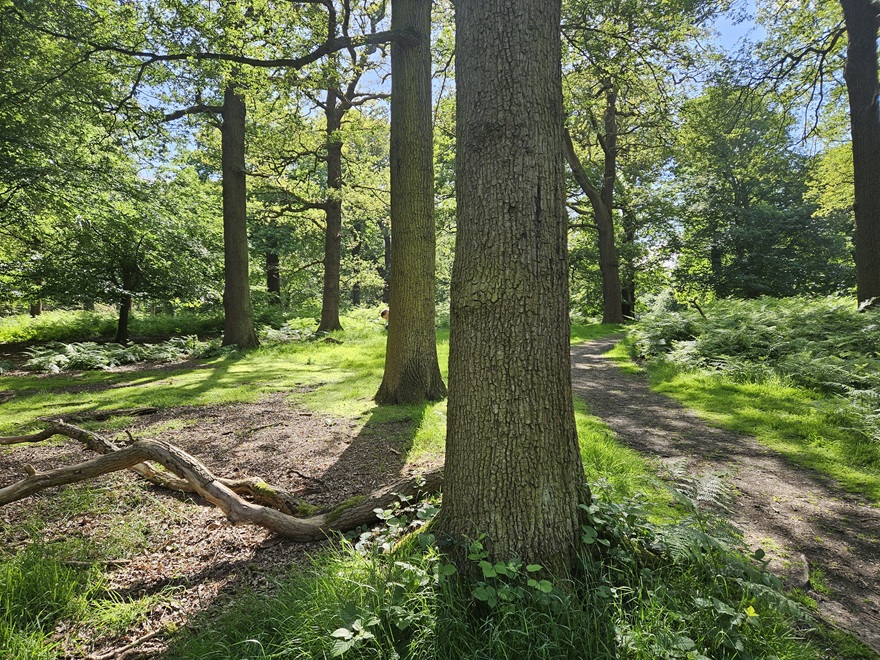
Then if you go to central London you will find huge trees even there. Lissom muscular planes with flaking camo bark; flowering cherries hiding in plain sight eleven months of the year before flashing out an efflorescence of colour. Grimy limes and alders growing anyhow in the corners of gardens and through the cracks in pavements. Just because they don’t move about or eat things we go “meh, trees.” But it’s no less remarkable than a herd of rhinoceroses wandering down Piccadilly.
Trillions of remarkable, complex, long lived creatures. And one thing you would say they are very good at is silence.
They are good at other things too, by the way. If only there were some kind of machine that was solar powered, inexpensive – indeed essentially free – to construct, self-maintaining and beautiful, which could absorb around ten tonnes of atmospheric carbon. But again, there is. Around 400 million years ago when trees first started to evolve, atmospheric carbon was 20 times what it is today. The trees sucked it all in and later carried it down under the ground where it would have done no harm to anyone if we hadn’t been foolish enough to dig it up. The trees made the world habitable for us.
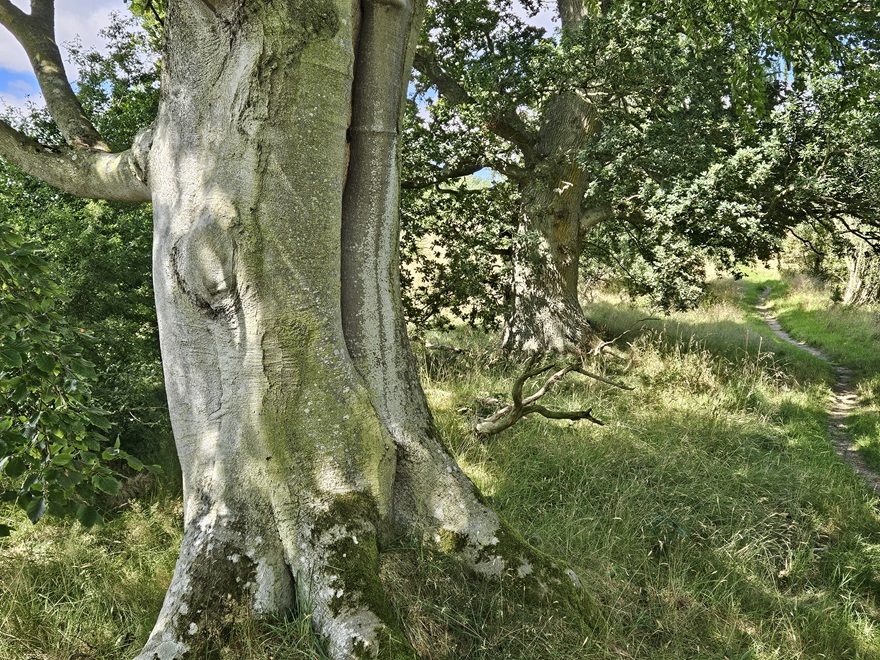
Maybe we can learn something from their slow silent ways. It would be great if we learnt about how to live without setting fire to stuff – but that’s a longer, more political endeavour. What we could each learn is something about just being there, immemorially calm, alive, present but still.
Try it this Sunday. Have a look on Google Maps: set it to show you the satellite images and you’ll soon find the trees. Pick a place that will be fairly free of humans, where you’re allowed to go – in a park or by a footpath. Plan how long it will take to get there. Allow enough time. Maybe bring a blanket that you can fold over on itself to make a pad to sit on – trees are bony creatures. Make your way there.
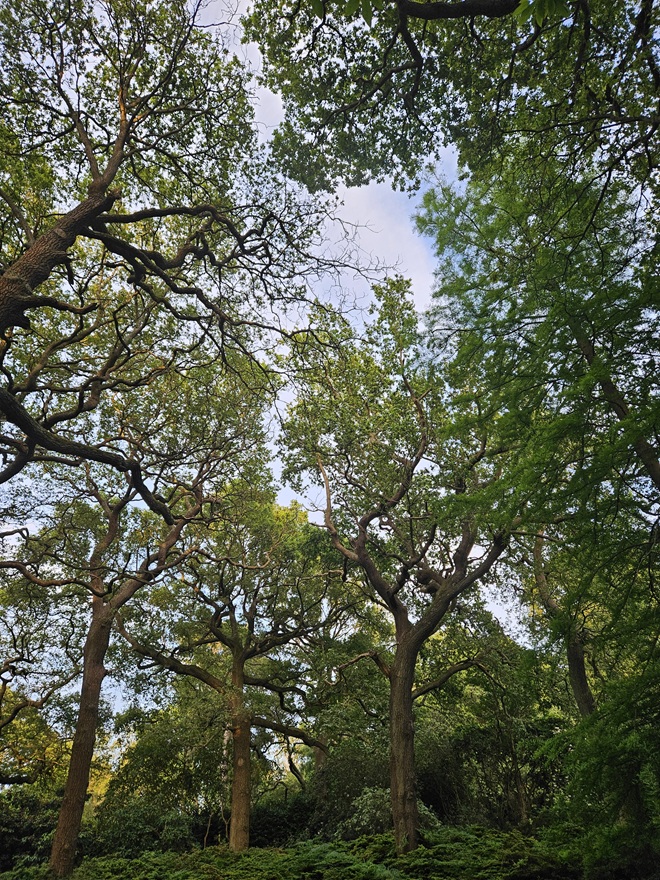
Have a look at your tree. Put your palms on the bark. Look up through the leaves or the bare limbs to the sky. Notice the complexities of branches and twigs. Then find somewhere to sit at the base of the tree, make yourself as comfortable as you need to be to be for ten minutes and have a sit and a listen. You will not find your time wasted.
 Season of Silence