

If you find Compline too formal for your group, why not have a time of simply saying and praying the Psalms together?
You can structure it to suit the people involved. Give it a bit of shape so people know what to expect. The key is to get into the habit of saying / praying the Psalms together.
You will all need the same text, obviously. If you all have the same translation of the Bible you could use that. Or you may all have a copy of Common Worship Daily Prayer, and you can use the Psalter (but if you have that you’re probably doing Compline!) Failing that you could print out some Psalms in advance, or give everyone the link on their phone.

Pick a few Psalms that speak to what we are doing together – maybe stay off the ones with all the smiting and doom and gloom, and those too specifically bound up with biblical history – not in any way to disparage those Psalms, which God can use for our good, but to keep a focus.
A few suggestions of ones I think are particularly lovely (but they’re all good):
- Psalm 16
- Psalm 18 – this is LONG and might be just right if you are really getting into it…
- Psalm 24
- Psalm 25
- Psalm 27 – wonderful themes of waiting in hope for God
- Psalm 32
- Psalm 37 – another long one, expressing hope in God despite the challenges of life
- Psalm 40
- Psalm 46 – my favourite, and very on message – “be still and know that I am God”
- Psalm 62 – another key Psalm for our purposes – “on God alone my soul in stillness waits”
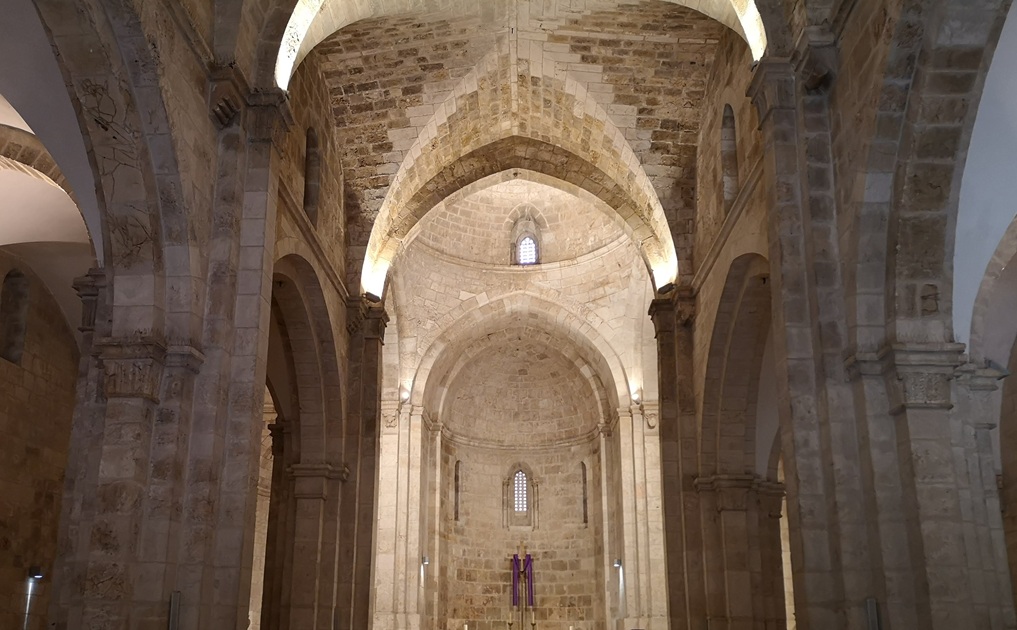
- Psalm 84 – lovely imagery of finding a home in God – and if you have ever visited Jerusalem you will have seen the sparrows of whom the Psalmist writes, who still find nests in niches in the walls of the Temple Mount
- Psalm 100 – a classic, short and wonderful
- Psalm 104 – another good long one, blessing and praising God
- Psalm 111 – another short one, with a key verse at the end, “the fear of the Lord is the beginning of wisdom”
- Psalm 119 – not for the faint hearted – the longest chapter in the Bible – but if you really want to immerse yourselves in the rhythm of the Psalms, maybe try this one in week 6!
- Psalm 130 – a song of waiting for God in all circumstances – another short one
- Psalm 131 – another lovely short Psalm expressive of right humility “I do not occupy myself with great matters…”
- Psalm 148 – a wonderful song of praise
Then you’ll need an outline. One structure you might use is:
- Short opening prayer / greeting
- Long time of saying the psalms. Go for five or ten minutes. Depending on how you opt to say the Psalms you’ll need five or ten seconds verse. So you need 60+ verses. Pick a selection that add up to between sixty and a hundred verses.
- A time of silence.
- One more Psalm – for this, use the same Psalm each week – give some thought to what is going to become “your” Psalm, a short one, really speaking to what you are doing, that will become familiar.
- Conclude with a shared prayer – the Grace is always good.
You will also need to decided how you are going to say the Psalms. You have a few choices to make:
- Say them all together in unison, or responsorially, half of you saying the odd numbered verses, half of you saying the even numbered verses.
- Pause for breath at the middle of each verse for breath – in favour of this, it creates a lovely meditative rhythm with regular opportunities for intense listening; against, it’s quite hard for those new to it to get right and do together.
- Conclude with the “doxology” or not – i.e. “Glory to the Father and to the Son and to the Holy Spirit; as it was in the beginning is now and shall be forever. Amen.” (from the Greek doxa, glory). If you use this, you can put it at the end of each Psalm, or just at the end of a group of Psalms.
So long as you are all clear on what you are doing, any or none of these will be fine. The key is to have a measured pace, to speak clearly (pronouncing the consonants) but not belt it out, and above all to listen to one another.
Then to put it all together, an example running order:
- The Lord be with you (all respond: And also with you)
- Let’s say Psalms 84, 18, and 131 together. Here are the Psalms. We will say them altogether without any breaks, and let’s try and have a little rhythm, so just a brief pause at the middle and end of each verse. We’ll have a longer pause at the end of each Psalm – I’ll lead off with the next one. And after we’ve said Psalm 131 we’ll say the doxology. Above all let’s listen to each other as we speak. Then we’ll have our time of silence, and then we’ll end up with Psalm 62, and we’ll say the doxology at the end of that one too – then we’ll conclude with the Grace.
- Lead off Psalm 84 after a brief pause…
- After the Psalms, simply keep silence for the necessary period.
- Conclude the silence by leading off with Psalm 62, “On God alone my soul in stillness waits…”
- Lead everyone in the Grace: The grace of our Lord Jesus Christ, and the love of God, and the fellowship of the Holy Spirit, be with us all, evermore. Amen.
 Season of Silence